

“Why Dental Practices Can't Afford to Ignore Medical Billing Anymore”
Unlock the benefits of medical billing for your dental practice. Boost revenue, expand services, and improve patient care with our expert insights. Download our eBook for a comprehensive guide.


What Belongs in a Dental OSHA Binder? A Practical Compliance Audit
A binder on the shelf is not proof of compliance. The real test is whether your plans are current, site-specific, accessible, and supported by training and records.
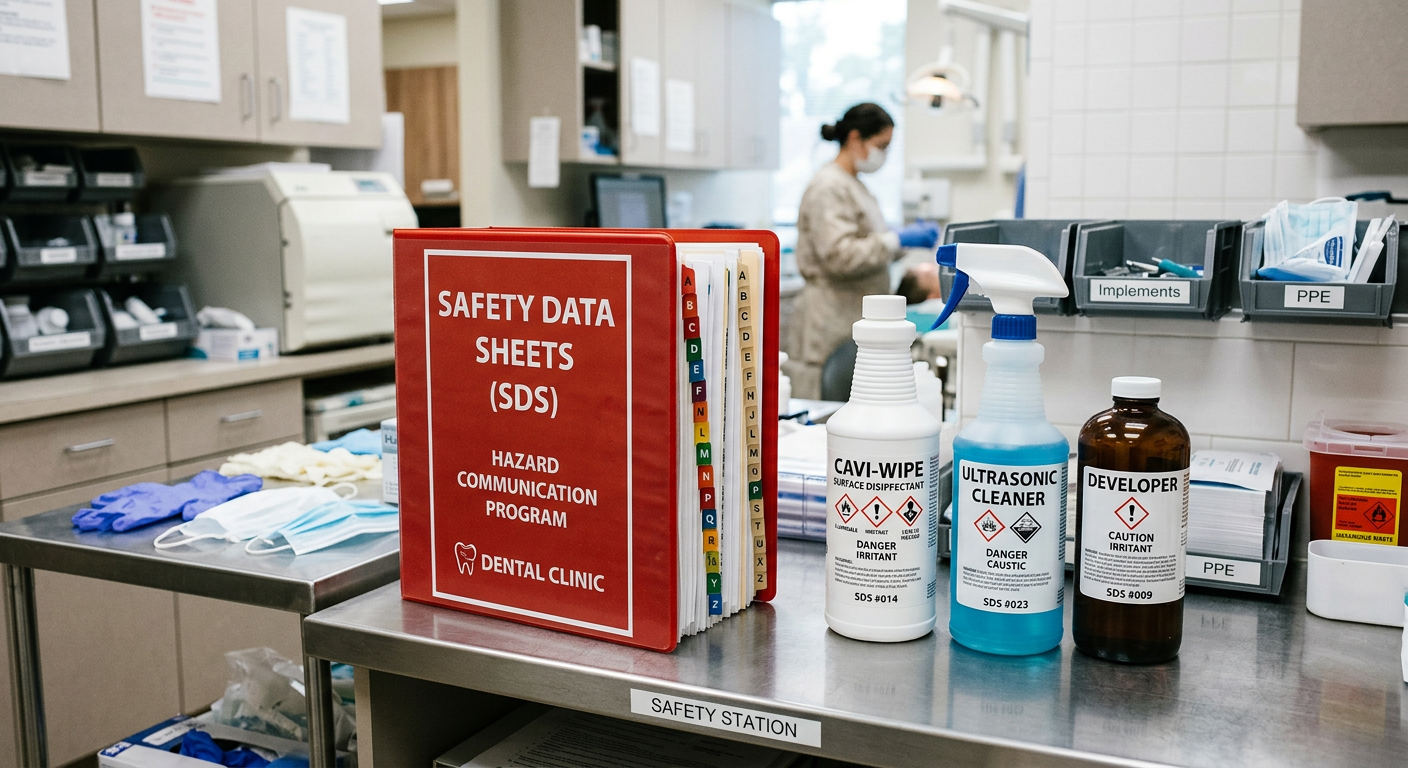
Safety documentation and labeled dental-office chemicals
If an inspector or employee asked for your dental office’s safety documentation tomorrow, could your team produce the correct, current records without searching through old folders?
A binder is useful only when it reflects the work actually performed in the office. Generic plans, outdated review dates, missing training records, and documents copied from another location create the appearance of a program without the evidence of one.
This article provides a practical federal overview. State-plan requirements and local rules can be more protective, so every organization should validate its program by location and with qualified counsel or a safety professional.
1. A site-specific Exposure Control Plan
Dental offices with employees who have occupational exposure to blood or other potentially infectious materials need a written Exposure Control Plan under 29 CFR 1910.1030. The plan must identify exposure risks, describe engineering and work-practice controls, address PPE, housekeeping, hepatitis B vaccination, exposure evaluation and follow-up, communication, and recordkeeping. It must be reviewed at least annually and when new or modified tasks affect exposure.
The annual review should also document consideration and implementation of appropriate safer medical devices and solicit input from nonmanagerial employees responsible for direct patient care who may be exposed to contaminated sharps.
2. Hazard Communication program and current SDS access
If hazardous chemicals are present, the office needs a written Hazard Communication program, a chemical inventory, compliant labeling practices, employee training, and Safety Data Sheets that employees can access during their work shift. “In the manager’s locked office” is not meaningful access.
3. Training records that prove who learned what—and when
Bloodborne pathogens training is required at initial assignment and at least annually for employees with occupational exposure, with additional training when changes affect exposure. Records should include training dates, content or summary, trainer qualifications, and the names and job titles of attendees. Keep the records for the required retention period.
4. Sharps injury log and post-exposure process
Employers covered by the Bloodborne Pathogens Standard must maintain a confidential sharps injury log for percutaneous injuries involving contaminated sharps. At minimum, it identifies the device type and brand when known, the work area, and a brief explanation of how the incident occurred—without identifying the employee.
Important correction
Do not state that every dental office must maintain an OSHA 300 Log. “Offices of Dentists” (NAICS 6212) are generally partially exempt from routine federal OSHA injury-and-illness record-keeping unless specifically required, although all covered employers still have severe-injury reporting duties. The separate Bloodborne Pathogens sharps-log requirement still applies when the standard applies. State-plan rules must also be checked.
5. Supporting programs and records
· PPE selection, use, cleaning, replacement, and disposal procedures
· Housekeeping, disinfection, regulated-waste, laundry, and spill-response procedures
· Hepatitis B vaccination offers, records, and signed declinations when applicable
· Post-exposure evaluation, medical follow-up, documentation, and referral instructions
· Emergency action, evacuation, fire-prevention, and applicable fire-extinguisher documentation
· Equipment-specific safety records and any applicable radiation-safety documentation maintained in the appropriate program location
· Incident, corrective-action, inspection, and annual program-review records
· State- and locality-specific postings, plans, logs, and retention requirements
California and multi-state caution
California operates its own OSHA-approved state plan and may impose requirements that differ from federal OSHA. Cal/OSHA’s Aerosol Transmissible Diseases standard includes conditional rules and exceptions for certain outpatient dental settings; it should not be described as automatically requiring every dental office to maintain a separate ATD plan. Applicability depends on the services performed, screening and referral practices, and the facts of the setting. Multi-state groups should maintain a federal core plus a controlled state addendum for each jurisdiction.
Run this ten-point binder audit
1. Confirm each written plan names the correct legal entity and physical location.
2. Verify the Exposure Control Plan review is current and signed.
3. Reconcile the chemical inventory to current Safety Data Sheets.
4. Audit annual and new-hire training records against the active employee roster.
5. Confirm hepatitis B documentation is complete and confidential.
6. Check the sharps log and post-exposure workflow for privacy and completeness.
7. Verify PPE, housekeeping, sterilization-support, and waste procedures match actual practice.
8. Confirm emergency contacts, referral locations, and reporting instructions are current.
9. Add or update the correct state-specific materials.
10. Document deficiencies, owner, corrective action, due date, and closure evidence.
Audit before the gap becomes an incident
Use the free Dental OSHA Binder Audit to check the core elements of your program and identify where documentation, training, or ownership needs attention.

Why Your Dental Office's AR Is Aging — And Exactly What to Do About It
Your aging report is not just a list of old balances—it is evidence of where your revenue workflow broke down. Learn how to read the warning signs and fix the process behind them.

Accounts receivable aging data displayed on a business dashboard
Most dental leaders know aging accounts receivable is a problem. The harder question is where to start.
The aging report is full of balances, dates, payer names, and patient accounts. Without a reliable method for interpreting it, it can feel like a spreadsheet full of stress. But your AR report is not merely a billing report. It is a map of where your workflows, accountability, and communication are breaking down.
That is good news—because workflows can be repaired.
Your AR report is an operational diagnostic
A standard aging report groups unpaid balances by age: 0–30, 31–60, 61–90, and over 90 days. A healthy report is weighted toward the newest bucket because claims are submitted cleanly, payer responses are monitored, and patient responsibility is addressed early.
The over-90-day bucket deserves immediate attention, but do not treat it as one problem. Separate it into insurance AR, patient AR, credit balances, unresolved denials, unapplied payments, and balances that require an approved adjustment. Each category has a different owner and a different next action.
What the numbers really say
A growing 90+ balance is rarely caused by one dramatic failure. It is usually the cumulative result of small missed actions: an attachment never sent, a denial never assigned, an eligibility detail not corrected, a statement sent without a call, or a follow-up date never documented.
Five workflow failures that cause dental AR to age
1. Claims leave the office incomplete. Missing radiographs, narratives, periodontal charting, tooth information, or accurate subscriber data can lead to preventable denials and rejections. Repeatedly rebatching the same claim without correcting the root cause only resets activity—it does not advance payment.
2. No one owns the next follow-up date. A claim can be clean and still require monitoring. Every unresolved claim needs a documented status, reference number when available, next action, responsible owner, and follow-up date.
3. Patient responsibility is addressed too late. Financial expectations should begin before treatment, continue at check-in and checkout, and be supported by a consistent statement and outreach cadence. A balance first discussed at 90 days is already harder to collect.
4. Denials are treated as transactions instead of trends. Correcting one claim is necessary; tracking the denial category is what prevents the next 20. Leaders should review denial volume and dollars by reason, payer, provider, location, and root cause.
5. Adjustments and write-offs lack governance. Inflated AR can contain contractual adjustments, duplicates, credits, or noncollectible balances that were never reviewed. The answer is not aggressive write-offs. It is an approval policy with documentation, thresholds, and separation of duties.
The workflow that stops the aging
1. Segment the report. Separate insurance from patient balances and sort by aging bucket, dollar value, payer, and location.
2. Prioritize intelligently. Work high-dollar and time-sensitive balances first, but protect daily capacity for new rejections and denials so they do not become future aged AR.
3. Assign ownership. Every account must have one accountable owner and one documented next action.
4. Use a follow-up cadence. Review new rejections daily, denials within a defined service standard, and unresolved insurance claims according to payer status and timely-filing risk.
5. Track root causes. Use a denial and AR action log that captures category, dollars, owner, date worked, resolution, and prevention action.
6. Review results weekly. Monitor days in AR, collection rate, aging distribution, denial dollars, task closure, and location-level outliers.
A practical standard for multi-location groups
Company-level averages can hide a struggling location. Review each office separately, then roll results into the organization total. Compare the same definitions across locations; otherwise, a “collection rate” or “days in AR” figure can mean something different at every office.
The goal is not a prettier report. The goal is a system in which every unpaid balance has a reason, an owner, a next action, and a deadline.
Ready to audit your AR?
Use the free Dental AR Audit Checklist to evaluate your aging buckets, denial workflow, patient collections, follow-up accountability, and adjustment controls.
👉 Get the Free Dental AR Audit Checklist →
Enter your name and email on the next page. The checklist will be delivered to your inbox.

How Overcoming Procrastination Transformed My Professional Life
Discover the practical steps I took to beat procrastination, boost productivity, and elevate my professional success in just one month.

A woman holding a cell phone while taking notes, sitting at a desk with a laptop.
Procrastination was always my Achilles' heel, limiting my productivity and preventing me from achieving my fullest potential. Recognizing this, I tackled the issue head-on through intentional strategies and structured self-improvement.
Over the past month, I have dedicated myself to understanding the root causes of my procrastination. I discovered that it is often due to overwhelming tasks and priorities. I have begun making significant progress by setting clear, manageable goals daily, using productivity tools like task planners, and applying techniques like the Pomodoro Method.
Within the first week, I noticed a substantial reduction in anxiety around task management. Mid-month, my productivity soared, with tasks completed ahead of deadlines and to higher standards. By the month's end, not only did I consistently achieve my daily objectives, but my professional confidence had increased dramatically.
Case Studies:
Case Study 1: Improved revenue collections by 25% for a dental practice within three months by streamlining billing processes and enhancing follow-up protocols.
Case Study 2: Successfully reduced outstanding accounts receivable by 40% for another dental office by introducing effective time management and consistent follow-up strategies.
Case Study 3: Boosted operational efficiency by implementing productivity tools and structured workflows, increasing patient satisfaction, and reducing appointment no-shows.
Case Study 4: Increased monthly collections from $194k to consistently achieving over $250k through targeted training and strategic billing improvements.
Case Study 5: Enhanced practice revenue by effectively integrating medical billing procedures into dental operations, resulting in 30% additional income from previously unbilled procedures.
Case Study 6: Improved internal office culture and productivity by proactively addressing interpersonal conflicts, resulting in greater team cohesion and employee satisfaction.

LED Teeth Whitening Side Effects: What You Need to Know!
Discover the potential side effects of LED teeth whitening and how to mitigate them for a safer, brighter smile.

In recent years, LED teeth whitening has surged in popularity as a preferred method for achieving a brighter, more radiant smile. This innovative technique leverages the power of LED light to enhance the effectiveness of whitening agents, making it a convenient and efficient option for many. Unlike traditional whitening methods that can be time-consuming and less effective, LED teeth whitening promises faster results and a more comfortable experience.
Understanding the process is crucial. Typically, a whitening gel containing peroxide is applied to the teeth. The LED light then activates the peroxide, accelerating the whitening process and breaking down stains more effectively. This method is not only efficient but also minimizes the discomfort often associated with other whitening procedures.
However, as with any dental treatment, it's essential to be aware of potential side effects and how to mitigate them. This knowledge ensures you can enjoy the benefits of LED teeth whitening while maintaining optimal oral health. **To learn more about the process and to explore our top-notch products, visit www.yourpurewhiteteeth.com/contact-us.**
Common Side Effects of LED Whitening
While LED teeth whitening is generally safe and effective, it's important to be aware of some common side effects that may occur. Understanding these potential issues can help you take the necessary precautions and make an informed decision about your teeth whitening options.
1. Tooth Sensitivity: One of the most frequently reported side effects is increased tooth sensitivity. This occurs because the whitening agents can penetrate the enamel and irritate the nerves in the teeth. Sensitivity usually subsides within a few days after treatment, but using toothpaste designed for sensitive teeth can help alleviate discomfort.
2. Gum Irritation: The whitening gel can sometimes come into contact with the gums, leading to irritation or a burning sensation. To minimize this risk, ensure that the gel is applied carefully and avoid overfilling the trays. If irritation occurs, rinsing the mouth with warm salt water can provide relief.
3. White Spots: Some individuals may notice white spots on their teeth immediately after the treatment. These spots usually disappear within a few hours, but it's a good idea to avoid consuming staining foods and beverages during this time to prevent uneven whitening.
4. Dry Mouth: The use of LED light can sometimes cause a reduction in saliva production, leading to dry mouth. Staying hydrated and using saliva substitutes can help manage this side effect.
Although these side effects are usually mild and temporary, it's essential to follow the instructions provided with your whitening kit and consult with a dental professional if you experience any severe or persistent symptoms.
Understanding Tooth Sensitivity
Tooth sensitivity is a common concern for many individuals undergoing LED teeth whitening treatments. This sensation, often described as a short, sharp pain, can be triggered by hot, cold, sweet, or acidic foods and beverages. Understanding the causes and how to manage sensitivity is crucial for a comfortable whitening experience.
Causes of Tooth Sensitivity:
- Enamel Erosion: The enamel is the hard, protective outer layer of the tooth. When it becomes eroded due to factors like acidic foods, aggressive brushing, or teeth grinding, the underlying dentin becomes exposed. Dentin contains tiny tubules that lead to the nerves, which can cause sensitivity when stimulated.
- Whitening Agents: The active ingredients in whitening gels, such as hydrogen peroxide or carbamide peroxide, can penetrate the enamel and reach the dentin, causing temporary sensitivity.
Managing Tooth Sensitivity:
- Desensitizing Toothpaste: Using toothpaste formulated for sensitive teeth can help block the pain signals from the tooth's surface to the nerve. Ingredients like potassium nitrate and stannous fluoride are particularly effective.
- Fluoride Treatments: Applying fluoride gel or varnish can help strengthen the enamel and reduce sensitivity. These treatments can be done at home or by a dental professional.
- Avoiding Triggers: Try to steer clear of foods and beverages that are known to exacerbate sensitivity, such as ice-cold drinks, citrus fruits, and sugary snacks, especially during and after the whitening process.
- Proper Application: Ensure that the whitening gel is applied correctly and does not come into contact with the gums. Following the recommended usage instructions can minimize the risk of sensitivity.
While tooth sensitivity can be an unwelcome side effect of LED teeth whitening, it is generally temporary and manageable. By taking the appropriate steps, you can enjoy a brighter smile without the discomfort of sensitivity.
Gum Irritation and LED Whitening
Gum irritation is another potential side effect of LED teeth whitening treatments. This condition can manifest as redness, swelling, or even soreness along the gum line. Understanding what causes gum irritation and how to prevent it is essential for anyone considering this cosmetic dental procedure.
Causes of Gum Irritation:
- Whitening Gel Contact: The primary cause of gum irritation is the direct contact of the whitening gel with the soft tissues of the mouth. Whitening gels contain potent bleaching agents like hydrogen peroxide or carbamide peroxide, which can cause chemical burns if they come into contact with the gums.
- Improper Application: Applying too much whitening gel or incorrectly positioning the whitening trays can lead to the gel seeping onto the gums, causing irritation.
- Pre-existing Conditions: Individuals with pre-existing gum issues, such as gingivitis or receding gums, are more susceptible to irritation. The whitening agents can exacerbate these conditions, leading to increased discomfort.
Preventing Gum Irritation:
- Proper Application: Ensure that the whitening gel is carefully applied, avoiding any contact with the gums. Using a cotton swab or a small brush can help with precise application.
- Customized Trays: Using custom-fitted whitening trays can provide a better fit and minimize the risk of the gel coming into contact with the gums. These trays can be obtained through your dental professional.
- Barrier Protection: Applying a protective barrier, such as petroleum jelly or a specialized gum protectant, can shield the gums from exposure to the whitening gel.
- Following Instructions: Adhering to the recommended usage guidelines and duration of treatment can significantly reduce the risk of irritation. Overuse or prolonged exposure can lead to unnecessary complications.
While gum irritation can be a side effect of LED teeth whitening, it is typically temporary and can be easily managed with the right precautions. By understanding the causes and taking preventive measures, you can achieve a whiter smile with minimal discomfort.
Minimizing Risks and Side Effects
While LED teeth whitening is generally safe, it’s crucial to take certain steps to minimize risks and side effects. By following a few simple guidelines, you can ensure a more comfortable and effective whitening experience.
Consult with a Dental Professional: Before starting any teeth whitening treatment, it’s advisable to consult with a dental professional. A dentist can assess your oral health, identify any potential issues, and recommend the best whitening options tailored to your needs. This step can prevent complications such as gum irritation or enamel damage.
Follow Product Instructions: Always adhere to the manufacturer’s instructions when using LED whitening products. Overuse or improper application of whitening gels can lead to increased sensitivity and irritation. Make sure you apply the recommended amount of gel and use the device for the specified duration.
Use High-Quality Products: Opt for reputable and high-quality whitening products. Cheap or counterfeit products may contain harmful ingredients that can cause more severe side effects. Investing in a reliable brand like YourPureWhiteTeeth.com ensures you are using safe and effective products.
Limit Intake of Staining Foods and Drinks: During and after the whitening process, it’s essential to limit the consumption of foods and beverages that can stain your teeth, such as coffee, tea, red wine, and certain fruits. This can help maintain the results of your whitening treatment and reduce the likelihood of needing frequent touch-ups.
Maintain Good Oral Hygiene: Regular brushing, flossing, and dental check-ups are vital for maintaining a healthy and bright smile. Good oral hygiene can also reduce the chances of experiencing side effects by keeping your gums and teeth in optimal condition.
By taking these proactive steps, you can minimize the risks and side effects associated with LED teeth whitening, ensuring a safer and more effective path to a brighter smile.
Consulting Dental Professionals
Consulting with dental professionals is a critical step in achieving safe and effective teeth whitening results. Whether you’re considering an at-home kit or our mobile teeth-whitening services, professional guidance can make a significant difference.
Personalized Assessment: A dental professional can provide a thorough evaluation of your oral health, identifying issues such as cavities, gum disease, or enamel erosion that might be exacerbated by whitening treatments. This personalized assessment ensures that you receive the most appropriate and safe whitening method tailored to your unique dental needs.
Expert Recommendations: Dental professionals have extensive knowledge of various whitening techniques and products. They can recommend the most effective options based on your dental history and desired results. This expertise helps in choosing between in-office treatments, mobile services, or at-home kits, ensuring optimal outcomes.Ready to try LED teeth whitening? Shop our professional-grade products today!
Monitoring Progress: Regular consultations with a dental professional during your whitening journey allow for close monitoring of your progress. This helps in making any necessary adjustments to your treatment plan to avoid potential side effects and achieve the best possible results.
Post-Treatment Care: After completing a whitening treatment, dental professionals can provide valuable advice on maintaining your new, brighter smile. This includes tips on oral hygiene, dietary recommendations, and scheduling follow-up visits for touch-ups or assessments.
Engaging with a dental professional not only enhances the effectiveness of your teeth whitening efforts but also ensures your overall oral health remains in top condition. Contact us for professional whitening solutions, visit https://www.yourpurewhiteteeth.com/contact-us.
Have questions? Contact our experts for personalized advice.
Four Ways to Start Implementing Medical Billing in Your Dental Practice
Discover the essential steps to integrate medical billing into your dental practice. Boost your revenue, streamline operations, and improve patient care with these four actionable strategies.
As a dental professional with extensive experience in the industry, I understand the challenges dental practices face when it comes to maximizing profitability and providing top-notch patient care. One effective way to achieve both goals is by incorporating medical billing into your practice. Here are four practical steps to get started:1. Understand the Basics of Medical Billing
Before diving into medical billing, it's crucial to understand its fundamentals. Unlike dental billing, medical billing involves navigating different codes, insurance policies, and documentation requirements. Begin by educating yourself and your team about dental procedures that can be billed medically, such as oral surgeries, sleep apnea treatments, and TMJ therapies.
2. Invest in Training and Certification
To ensure smooth integration, invest in staff training. Medical billing certification programs can equip your team with the necessary skills and knowledge to handle medical claims accurately and efficiently. Proper training will also reduce errors and improve your practice’s overall efficiency.
3. Leverage Technology and Software
Utilize specialized billing software that supports both dental and medical claims. Modern practice management systems can streamline billing, making submitting claims, tracking payments, and managing denials easier. Investing in the right technology will save time and enhance your practice’s profitability.
4. Collaborate with Medical Billing Experts
If medical billing seems overwhelming, consider partnering with a specialist or consulting agency. These experts can help you set up your billing processes, train your staff, and ensure compliance with insurance regulations. Their expertise can be invaluable in maximizing your reimbursements and minimizing claim denials.
Tips for Success
Document Thoroughly: Ensure detailed and accurate documentation of procedures to support medical claims.
Stay Updated: Keep abreast of medical billing codes and insurance policy changes.
Communicate with Patients: Educate your patients about the benefits of medical billing and how it can reduce out-of-pocket costs.
Ready to transform your practice’s financial health with medical billing? Dive deeper into this topic with my eBook, "Basic Medical Billing for Dental Practices: A Quick Guide." It has actionable insights and step-by-step guidance to help you get started. Click here to learn more and take the first step towards a more profitable practice!
Experts Announce Human Trials for Teeth Regrowth Drug
The article delves into the comprehensive overview of this pioneering drug, detailing its origins, the science behind it, and how it has progressed to warrant human trials.
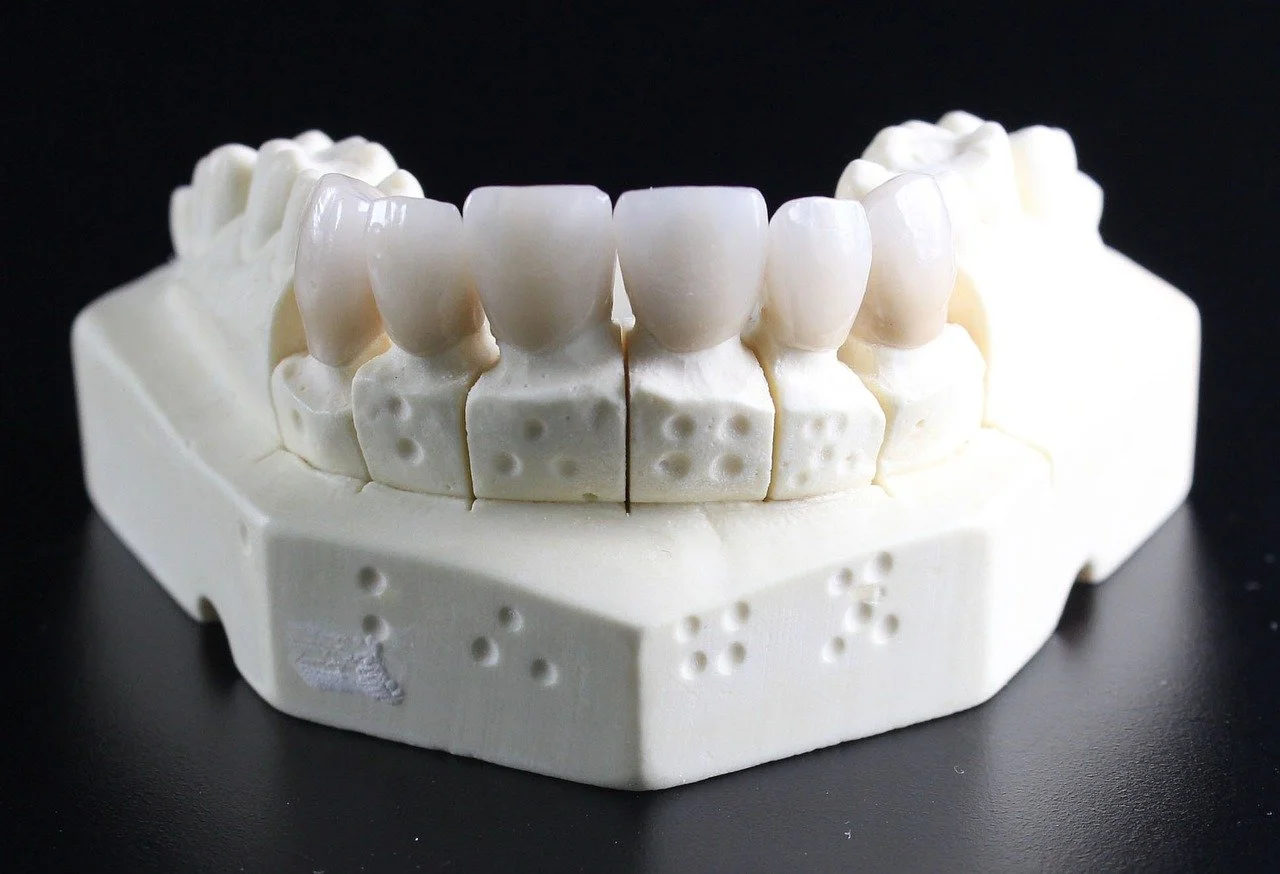
In dentistry, beyond the desk. Recent developments in the field are bringing us closer to turning this once-speculative query into a tangible reality. Scientists are on the brink of a groundbreaking discovery with the development of a drug promising tooth from dental issues. This innovation could revolutionize oral care, shifting the paradigm from repair and replacement to regeneration.
The article delves into the comprehensive overview of this pioneering drug, detailing its origins, the science behind it, and how it has progressed to warrant human trials. These trials, set to explore the drug's efficacy in humans after promising results in ferrets, mark a significant milestone in medical research. Additionally, the discussion will extend to the implications of such advancements for the future of dentistry and oral surgery, examining how this breakthrough could reshape our approach to dental care and restoration. Join us as we unpack the layers of this exciting development, from clinical trial phases to the potential for reshaping the future landscape of dentistry.
The drug's potential for tooth regeneration primarily hinges on activating the Wnt/β-catenin signaling pathway in pulpal mesenchymal stem cells. This pathway is crucial for promoting the growth and differentiation of these cells into dental tissues. Additionally, GSK-3 inhibitors like Tideglusib have shown promise in tooth repair because they inhibit GSK-3, a protein kinase involved in several cellular processes, including regulating growth factors.
Research into the drug began with the discovery of its effects on bone and tissue regeneration. Aspirin, known for its anti-inflammatory properties, was found to induce stem cell differentiation and enhance the osteogenic differentiation of dental pulp cells, which are vital for tooth development. Concurrently, studies on Metformin revealed its efficacy in modulating inflammatory pathways and its potential as an ancillary treatment in periodontal therapy, which paved the way for its application in dental regrowth.
These foundational discoveries have set the stage for the current clinical trials, aiming to transform dental treatment from mere replacement to actual regeneration of lost dental tissues.
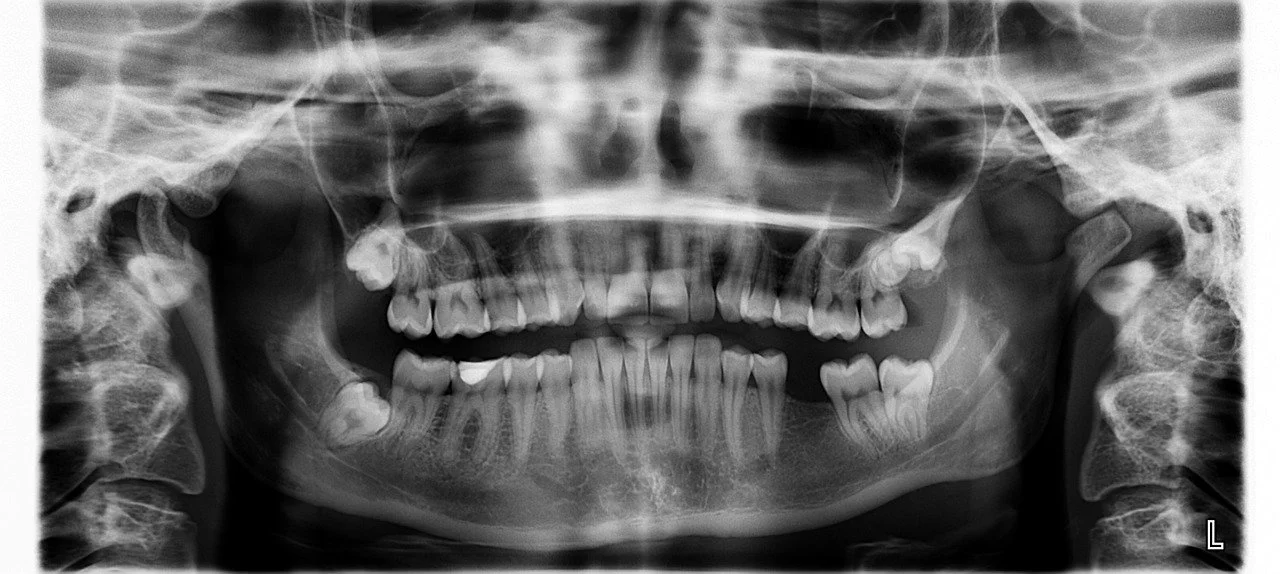
The initial phase of the human trials will target 30 males aged between 30 and 64, each missing at least one molar. This criterion ensures that the study focuses on adults with significant tooth loss, providing a clear baseline for observing regrowth. Following successful preliminary results, the trial plans to include children aged 2 to 7 who suffer from anodontia, a condition marked by the absence of several permanent teeth.
The first phase of the clinical trials, scheduled to begin in September 2024, will be conducted at Kyoto University Hospital until August 2025. This phase involves administering the drug intravenously to the selected participants to assess its safety and efficacy. The subsequent phase will focus on younger patients with congenital anodontia, aiming to further test the drug's effectiveness across different age groups with varying degrees of tooth absence.
Researchers are optimistic about the drug’s potential, projecting that it could be commercially available by 2030 if the trials confirm its effectiveness and safety. The ultimate goal is to provide a regenerative solution for individuals missing teeth due to genetic conditions, decay, or injury, potentially eliminating the need for traditional dental prosthetics.
The development of the tooth regrowth drug has spurred significant anticipation, with Takahashi and his team at Toregem Biopharma aiming to commercialize the USAG-1 drug by 2030. This timeline aligns with the expected completion of clinical trials, setting a feasible market entry if regulatory approvals are secured. The drug's broad application, initially targeting congenital tooth loss and potentially expanding to address teeth lost due to cavities, injuries, and other accidents, underscores its wide-reaching potential.
Introducing tooth regrowth medication represents a transformative shift in dental care, offering a regenerative alternative to traditional treatments like dentures and implants. This innovation could enhance oral health outcomes by reducing the need for invasive dental procedures and lowering the economic burden on healthcare systems. However, successfully integrating this medication into standard dental practices hinges on overcoming several challenges, including the complexities of targeted regeneration, rigorous clinical trials, and ensuring long-term safety and efficacy. Moreover, the broader implications of manipulating BMP and Wnt pathways, critical for organ and tissue development, highlight the need for cautious application to avoid unintended systemic effects.
Through the exploration of groundbreaking developments in regenerative dental medicine, the prospect of tooth regrowth has transitioned from a fascinating question to a tangible reality on the horizon. The meticulous efforts poured into developing this drug, from its biological underpinnings to the strategic phases of human trials, underscore a transformative leap forward in dental care. This innovation significantly alters our approach to addressing dental loss by potentially enabling tooth regeneration, moving from traditional restorative methods to those that can naturally restore dental functionality and aesthetics.
As we stand on the cusp of a future where dental regeneration could become an everyday reality, the implications of such advancements extend beyond individual health benefits to reshape aspects of dental care and oral health policies. While the journey from clinical trials to market availability is fraught with challenges, the success of this development could herald a new era in dentistry. For individuals intrigued by the progression of similar innovations in dental science, further insights can be gleaned by following ongoing discussions and analyses in the field; read similar articles here.
FAQs
What is the initial medication developed for regenerating teeth?
The first drug designed to regenerate teeth works by inhibiting the interaction of USAG-1 with other proteins, which promotes bone growth. This process results in the formation of new teeth. The drug has demonstrated high success rates in ferrets and mice, with no significant side effects reported. Human trials are scheduled to commence in September.
References
[1] - https://uniqa.dental/news/tooth-regeneration-drug-trials-in-japan/
[2] - https://www.newsnationnow.com/health/tooth-regrow-drug-dental-health/
[3] - https://www.theregister.com/2024/05/13/tooth_regrowth_drug/
[4] - https://ca.finance.yahoo.com/news/the-worlds-first-tooth-regrowing-drug-has-been-approved-for-human-trials-174423381.html
[5] - https://www.euronews.com/health/2023/08/05/a-drug-that-makes-teeth-regrow-scientists-move-closer-to-clinical-trials
[6] - https://www.popularmechanics.com/science/health/a60952102/tooth-regrowth-human-trials-japan/
[7] - https://www.wpri.com/health/human-trials-to-begin-for-new-teeth-regeneration-drug-researchers/
[8] - https://mainichi.jp/english/articles/20240503/p2a/00m/0sc/012000c
[9] - https://futurism.com/neoscope/scientists-test-medicine-grow-new-teeth
[10] - https://www.signalsblog.ca/worlds-first-tooth-regrowth-medicine-a-promising-leap-forward-in-regenerative-dentistry/

The Nitty-Gritty of Medical Billing Codes for Dental Practices
Discover why dental practices can't afford to ignore medical billing anymore. Learn how integrating medical billing can boost your revenue, expand your services, and enhance patient care. Download our free eBook for comprehensive strategies and insights.
The coding system is one of the most challenging aspects of medical billing in dental practices. However, fear not! This blog aims to clarify this crucial yet often misunderstood medical billing component.
Understanding ADA Codes
• These dental codes your practice is likely already familiar with.
Introduction to ICD-10 Codes
• ICD-10 codes are diagnostic codes used in medical billing.
How to Match ADA and ICD-10 Codes
Deep Cleaning (D4341) can correspond to K05.11 (Chronic Periodontitis).
Tooth Extractions (D7140) can be linked to K08.8 (Other specified disorders of teeth and supporting structures).
Tips for Success
Double-check Codes: An incorrect code can lead to claim rejections.
Continued Education: Codes update; keep your team educated.
Understanding medical billing codes may seem complicated, but it's essential for successful claim submissions and maximizing revenue.
Case Study 1: Deep Cleaning (D4341)
Challenge: Limited reimbursement from dental insurance.
Solution: Using the ICD-10 code K05.11 (Chronic Periodontitis).
Outcome: The reimbursement rate was notably higher when the treatment was billed medically, enhancing the practice's revenue.
Case Study 2: Dental Fillings (D2140)
Challenge: Dental insurance often provides low reimbursements for filling procedures.
Solution: Billing the procedure medically using the ICD-10 code K02.9 (Dental Caries, Unspecified).
Outcome: The practice successfully claimed a higher reimbursement from medical insurance, reducing out-of-pocket costs for the patient.


Why Dental Practices Can't Afford to Ignore Medical Billing Anymore
Discover why dental practices can't afford to ignore medical billing anymore. Learn how integrating medical billing can boost your revenue, expand your services, and enhance patient care. Download our free eBook for comprehensive strategies and insights. It all begins with an idea.
“Medical Billing is a lucrative way to increase revenue in Dental Practices.”
Medical billing for dental practices isn't just a buzzword; it's an essential strategy for survival in today's challenging healthcare landscape. In this blog post, we'll examine why incorporating medical billing into your dental practice is a game-changer for your revenue stream and patient care.
Why Consider Medical Billing?
Revenue Growth: Medical insurance often reimburses at higher rates than dental insurance.
Expanded Services: Allows you to offer a more comprehensive range of treatments.
Steps to Implement Medical Billing

“Take the proper steps to ensure complete billing documentation, “
Training: Equip your team with the requisite skills.
Software Integration: Ensure your dental software supports medical billing or upgrades if necessary.
Case Studies
Deep Cleaning (D4341): With the correct ICD-10 code, you can be reimbursed much more than if you bill it under dental only.
Oral Appliances for Sleep Apnea: A highly reimbursable treatment when billed medically.
Incorporating medical billing is not just a revenue strategy but a forward-thinking approach to offering comprehensive dental care.
Ready to Transform Your Dental Practice?
Discover the comprehensive strategies and insights you need to incorporate medical billing effectively. Download our eBook, "Basic Medical Billing for Dental Practices: A Quick Guide," and start boosting your revenue and patient care today.