

“Why Dental Practices Can't Afford to Ignore Medical Billing Anymore”
Unlock the benefits of medical billing for your dental practice. Boost revenue, expand services, and improve patient care with our expert insights. Download our eBook for a comprehensive guide.


Why Your Dental Office's AR Is Aging — And Exactly What to Do About It
Your aging report is not just a list of old balances—it is evidence of where your revenue workflow broke down. Learn how to read the warning signs and fix the process behind them.

Accounts receivable aging data displayed on a business dashboard
Most dental leaders know aging accounts receivable is a problem. The harder question is where to start.
The aging report is full of balances, dates, payer names, and patient accounts. Without a reliable method for interpreting it, it can feel like a spreadsheet full of stress. But your AR report is not merely a billing report. It is a map of where your workflows, accountability, and communication are breaking down.
That is good news—because workflows can be repaired.
Your AR report is an operational diagnostic
A standard aging report groups unpaid balances by age: 0–30, 31–60, 61–90, and over 90 days. A healthy report is weighted toward the newest bucket because claims are submitted cleanly, payer responses are monitored, and patient responsibility is addressed early.
The over-90-day bucket deserves immediate attention, but do not treat it as one problem. Separate it into insurance AR, patient AR, credit balances, unresolved denials, unapplied payments, and balances that require an approved adjustment. Each category has a different owner and a different next action.
What the numbers really say
A growing 90+ balance is rarely caused by one dramatic failure. It is usually the cumulative result of small missed actions: an attachment never sent, a denial never assigned, an eligibility detail not corrected, a statement sent without a call, or a follow-up date never documented.
Five workflow failures that cause dental AR to age
1. Claims leave the office incomplete. Missing radiographs, narratives, periodontal charting, tooth information, or accurate subscriber data can lead to preventable denials and rejections. Repeatedly rebatching the same claim without correcting the root cause only resets activity—it does not advance payment.
2. No one owns the next follow-up date. A claim can be clean and still require monitoring. Every unresolved claim needs a documented status, reference number when available, next action, responsible owner, and follow-up date.
3. Patient responsibility is addressed too late. Financial expectations should begin before treatment, continue at check-in and checkout, and be supported by a consistent statement and outreach cadence. A balance first discussed at 90 days is already harder to collect.
4. Denials are treated as transactions instead of trends. Correcting one claim is necessary; tracking the denial category is what prevents the next 20. Leaders should review denial volume and dollars by reason, payer, provider, location, and root cause.
5. Adjustments and write-offs lack governance. Inflated AR can contain contractual adjustments, duplicates, credits, or noncollectible balances that were never reviewed. The answer is not aggressive write-offs. It is an approval policy with documentation, thresholds, and separation of duties.
The workflow that stops the aging
1. Segment the report. Separate insurance from patient balances and sort by aging bucket, dollar value, payer, and location.
2. Prioritize intelligently. Work high-dollar and time-sensitive balances first, but protect daily capacity for new rejections and denials so they do not become future aged AR.
3. Assign ownership. Every account must have one accountable owner and one documented next action.
4. Use a follow-up cadence. Review new rejections daily, denials within a defined service standard, and unresolved insurance claims according to payer status and timely-filing risk.
5. Track root causes. Use a denial and AR action log that captures category, dollars, owner, date worked, resolution, and prevention action.
6. Review results weekly. Monitor days in AR, collection rate, aging distribution, denial dollars, task closure, and location-level outliers.
A practical standard for multi-location groups
Company-level averages can hide a struggling location. Review each office separately, then roll results into the organization total. Compare the same definitions across locations; otherwise, a “collection rate” or “days in AR” figure can mean something different at every office.
The goal is not a prettier report. The goal is a system in which every unpaid balance has a reason, an owner, a next action, and a deadline.
Ready to audit your AR?
Use the free Dental AR Audit Checklist to evaluate your aging buckets, denial workflow, patient collections, follow-up accountability, and adjustment controls.
👉 Get the Free Dental AR Audit Checklist →
Enter your name and email on the next page. The checklist will be delivered to your inbox.

Four Ways to Start Implementing Medical Billing in Your Dental Practice
Discover the essential steps to integrate medical billing into your dental practice. Boost your revenue, streamline operations, and improve patient care with these four actionable strategies.
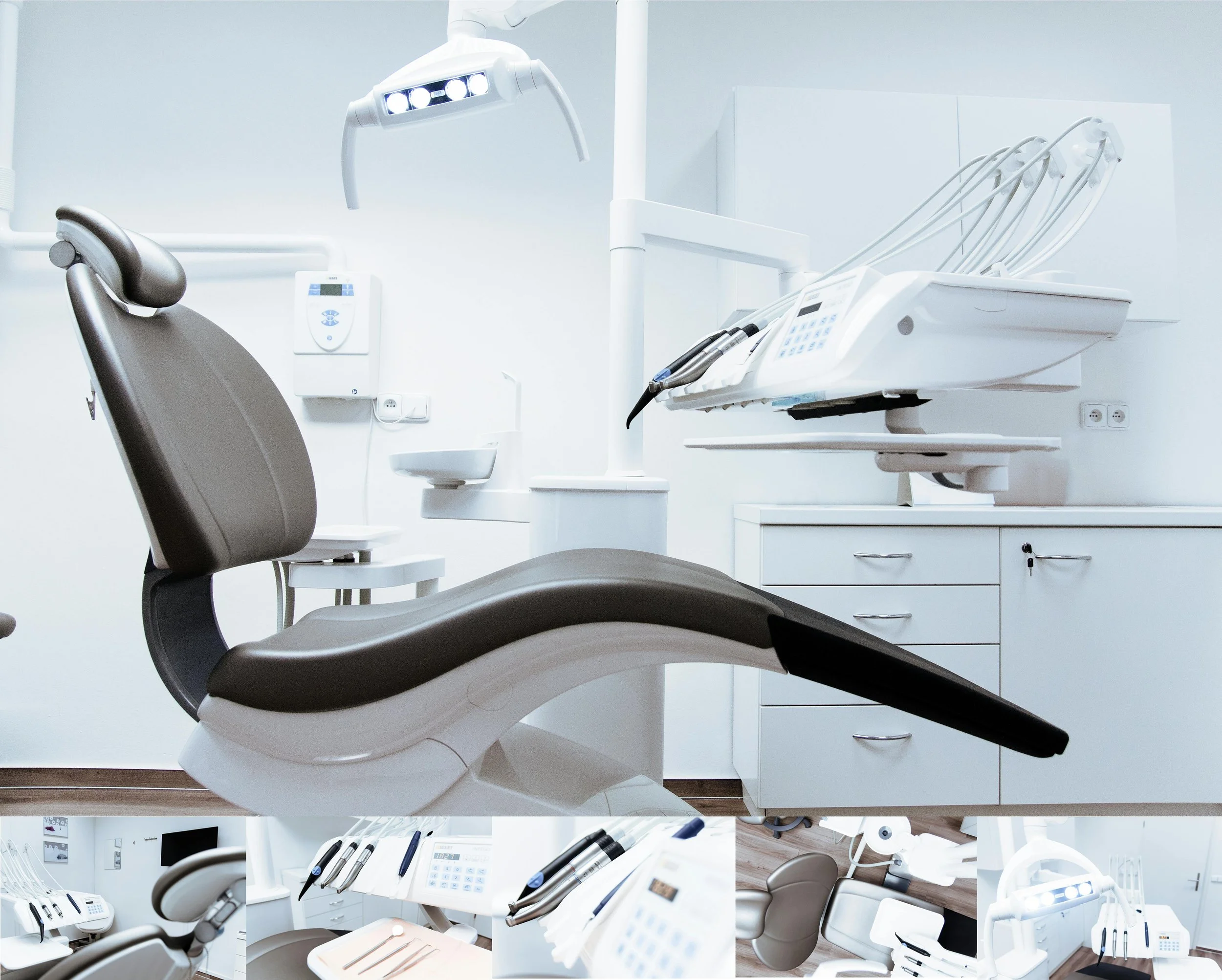
As a dental professional with extensive experience in the industry, I understand the challenges dental practices face when it comes to maximizing profitability and providing top-notch patient care. One effective way to achieve both goals is by incorporating medical billing into your practice. Here are four practical steps to get started:1. Understand the Basics of Medical Billing
Before diving into medical billing, it's crucial to understand its fundamentals. Unlike dental billing, medical billing involves navigating different codes, insurance policies, and documentation requirements. Begin by educating yourself and your team about dental procedures that can be billed medically, such as oral surgeries, sleep apnea treatments, and TMJ therapies.
2. Invest in Training and Certification
To ensure smooth integration, invest in staff training. Medical billing certification programs can equip your team with the necessary skills and knowledge to handle medical claims accurately and efficiently. Proper training will also reduce errors and improve your practice’s overall efficiency.
3. Leverage Technology and Software
Utilize specialized billing software that supports both dental and medical claims. Modern practice management systems can streamline billing, making submitting claims, tracking payments, and managing denials easier. Investing in the right technology will save time and enhance your practice’s profitability.
4. Collaborate with Medical Billing Experts
If medical billing seems overwhelming, consider partnering with a specialist or consulting agency. These experts can help you set up your billing processes, train your staff, and ensure compliance with insurance regulations. Their expertise can be invaluable in maximizing your reimbursements and minimizing claim denials.
Tips for Success
Document Thoroughly: Ensure detailed and accurate documentation of procedures to support medical claims.
Stay Updated: Keep abreast of medical billing codes and insurance policy changes.
Communicate with Patients: Educate your patients about the benefits of medical billing and how it can reduce out-of-pocket costs.
Ready to transform your practice’s financial health with medical billing? Dive deeper into this topic with my eBook, "Basic Medical Billing for Dental Practices: A Quick Guide." It has actionable insights and step-by-step guidance to help you get started. Click here to learn more and take the first step towards a more profitable practice!

The Nitty-Gritty of Medical Billing Codes for Dental Practices
Discover why dental practices can't afford to ignore medical billing anymore. Learn how integrating medical billing can boost your revenue, expand your services, and enhance patient care. Download our free eBook for comprehensive strategies and insights.
The coding system is one of the most challenging aspects of medical billing in dental practices. However, fear not! This blog aims to clarify this crucial yet often misunderstood medical billing component.
Understanding ADA Codes
• These dental codes your practice is likely already familiar with.
Introduction to ICD-10 Codes
• ICD-10 codes are diagnostic codes used in medical billing.
How to Match ADA and ICD-10 Codes
Deep Cleaning (D4341) can correspond to K05.11 (Chronic Periodontitis).
Tooth Extractions (D7140) can be linked to K08.8 (Other specified disorders of teeth and supporting structures).
Tips for Success
Double-check Codes: An incorrect code can lead to claim rejections.
Continued Education: Codes update; keep your team educated.
Understanding medical billing codes may seem complicated, but it's essential for successful claim submissions and maximizing revenue.
Case Study 1: Deep Cleaning (D4341)
Challenge: Limited reimbursement from dental insurance.
Solution: Using the ICD-10 code K05.11 (Chronic Periodontitis).
Outcome: The reimbursement rate was notably higher when the treatment was billed medically, enhancing the practice's revenue.
Case Study 2: Dental Fillings (D2140)
Challenge: Dental insurance often provides low reimbursements for filling procedures.
Solution: Billing the procedure medically using the ICD-10 code K02.9 (Dental Caries, Unspecified).
Outcome: The practice successfully claimed a higher reimbursement from medical insurance, reducing out-of-pocket costs for the patient.


Why Dental Practices Can't Afford to Ignore Medical Billing Anymore
Discover why dental practices can't afford to ignore medical billing anymore. Learn how integrating medical billing can boost your revenue, expand your services, and enhance patient care. Download our free eBook for comprehensive strategies and insights. It all begins with an idea.

“Medical Billing is a lucrative way to increase revenue in Dental Practices.”
Medical billing for dental practices isn't just a buzzword; it's an essential strategy for survival in today's challenging healthcare landscape. In this blog post, we'll examine why incorporating medical billing into your dental practice is a game-changer for your revenue stream and patient care.
Why Consider Medical Billing?
Revenue Growth: Medical insurance often reimburses at higher rates than dental insurance.
Expanded Services: Allows you to offer a more comprehensive range of treatments.
Steps to Implement Medical Billing

“Take the proper steps to ensure complete billing documentation, “
Training: Equip your team with the requisite skills.
Software Integration: Ensure your dental software supports medical billing or upgrades if necessary.
Case Studies
Deep Cleaning (D4341): With the correct ICD-10 code, you can be reimbursed much more than if you bill it under dental only.
Oral Appliances for Sleep Apnea: A highly reimbursable treatment when billed medically.
Incorporating medical billing is not just a revenue strategy but a forward-thinking approach to offering comprehensive dental care.
Ready to Transform Your Dental Practice?
Discover the comprehensive strategies and insights you need to incorporate medical billing effectively. Download our eBook, "Basic Medical Billing for Dental Practices: A Quick Guide," and start boosting your revenue and patient care today.